Evolutionary Perspectives on Truth, Beauty, and The Good

Truth and the Human Pursuit of Reality
Truth, in its most fundamental sense, is the quality of being in accordance with facts and reality. Philosophically, it is proposed that believing what is not true is often detrimental to our plans for wellbeing. The tireless pursuit of truth is a distinguishing characteristic of our species. However, debates about the nature of truth persist, with various theories offering different perspectives on how propositions can be verified as true. Ultimately, the concept of truth is a bedrock of human thought, communication, and societal well-being.
A few key questions we might explore: How is truth related to complex language? What does truth have to do with the probabilities of outcomes? Why do we have a reverence for truth?
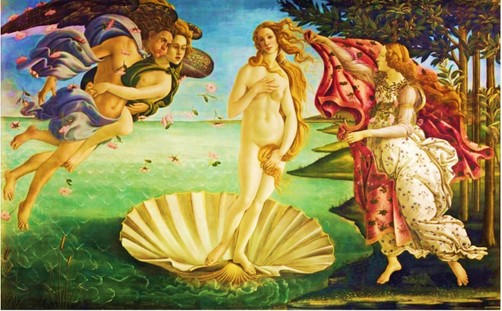
Aesthetics: Evolutionary Perspectives on Beauty
Explore how evolutionary theory explains our sense of beauty—from natural selection to adaptive preferences in art and nature. Essential features of beauty have been explored throughout the ages, from the ideals of Plato and Aristotle to contemporary perspectives. Aesthetic values have been debated, shaped, and redefined across cultures and time.
A few key questions we might explore: How is the beauty of human form related to the evolution of anatomical traits? Why do we perceive a full moon as aesthetically pleasing? Why are the colors of dawn and the rising sun aesthetically pleasing? Why do we find the singing of birds pleasant? Why do we find harmony a pleasant sound to the ear?
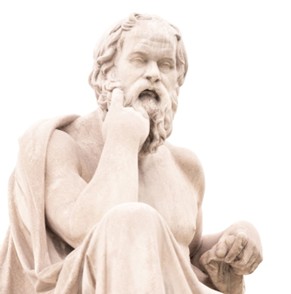
Ethics: Evolutionary Perspectives on The Good
Moral philosophy refers to ultimate values or principles that guide ethical behavior and decision-making. It encompasses what is considered morally right, virtuous, or desirable within a society. The concept of The Good has been a central focus of moral philosophy, with classical thinkers proposing that The Good is rooted in objective forms accessible through reason.
In contrast, evolutionary ethics proposes that our moral values are shaped by challenging selection pressures faced by our hominin ancestors and adaptive outcomes, suggesting that notions of good and bad may be deeply influenced by evolutionary pressures. The evolutionary perspective does not necessarily undermine classical views but invites a nuanced dialogue about the origins and universality of moral values. Where classical philosophy seeks timeless principles, evolutionary ethics highlights the origin and nature of moral norms.
A few key questions we might explore: Is morality a cultural human construct, or is it something more universal? Do we have an innate understanding of right and wrong? How is our ethical sense related to our species?
Moral philosophy refers to ultimate values or principles that guide ethical behavior and decision-making. It encompasses what is considered morally right, virtuous, or desirable within a society. The concept of The Good has been a central focus of moral philosophy, with classical thinkers proposing that The Good is rooted in objective forms accessible through reason.
Evolutionary Adaptations That Made Humans Ethical and Aesthetic— A Foundation Not Yet Fully Explored:
What if everything philosophy has explored for 2,500 years—ethics, beauty, truth—could have been understood from an evolutionary perspective? Is there an evolutionary foundation of ethics, beauty, and truth that has not yet been fully explored?
What was missed, not because philosophers since antiquity were incorrect in their approach, but because until 1924, when Raymond Dart discovered the Taung Child fossil in South Africa, we had little idea of how Homo sapiens actually evolved?
The fossil record reveals that over seven million years ago, our hominin ancestors were radically different. Different anatomical proportions, different patterns of survival, different intellectual capacities, yet are ancestral to what we are. What were the evolutionary pressures that occurred between 3 million and 200,000 years ago that made us modern, fully human?
A Few Key Evolutionary Mechanisms That Deserve Attention:
INTRADEMIC SELECTION (Policing Within the Group)
INTERDEMIC SELECTION (Warfare Between Groups)
CROSS-SPECIES AVOIDANCE (The Taboo That Helped Make Us Beautiful)
PATTERNS OF SURVIVAL (The Culture of Homo sapiens)
PRIMITIVE AND DERIVED ANATOMICAL TRAITS (Revealed by the Fossil Record)
These aren’t minor tweaks to existing theories. These are evolutionary mechanisms I’ve reflected upon over decades of teaching.
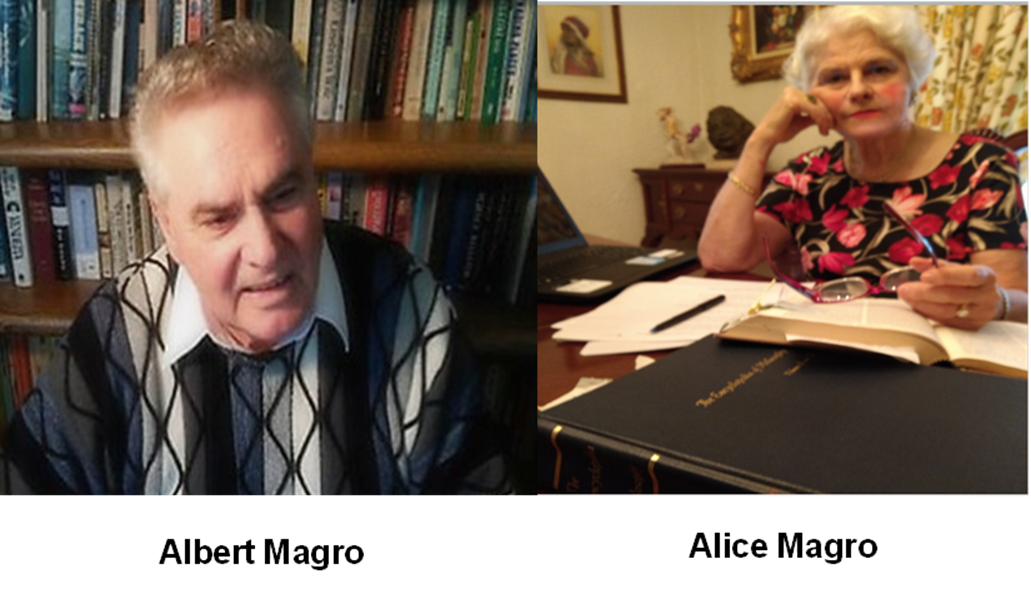
I have written a trilogy of books exploring evolutionary philosophy, along with a book of aphoristic poetry. My wife Alice Magro has written a novel that dramatizes these ideas through story. These five books, along with this blog, explore how human evolution has shaped our understanding of truth, beauty, and goodness.
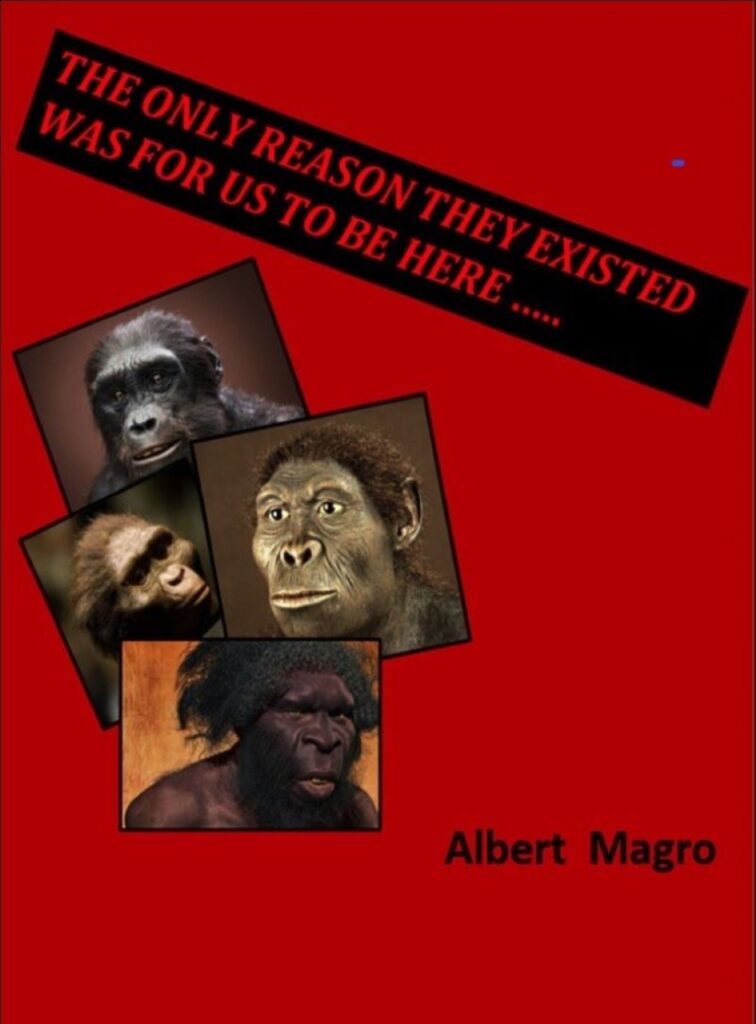
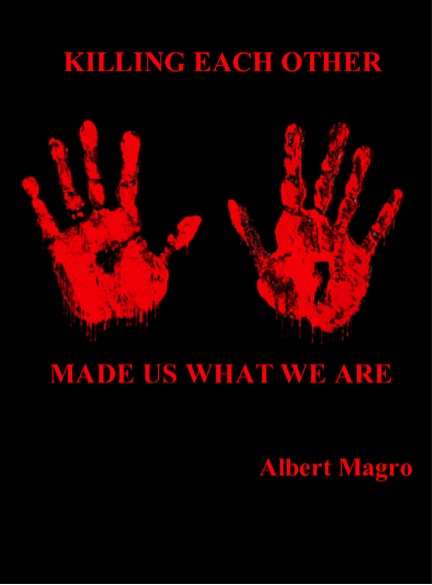
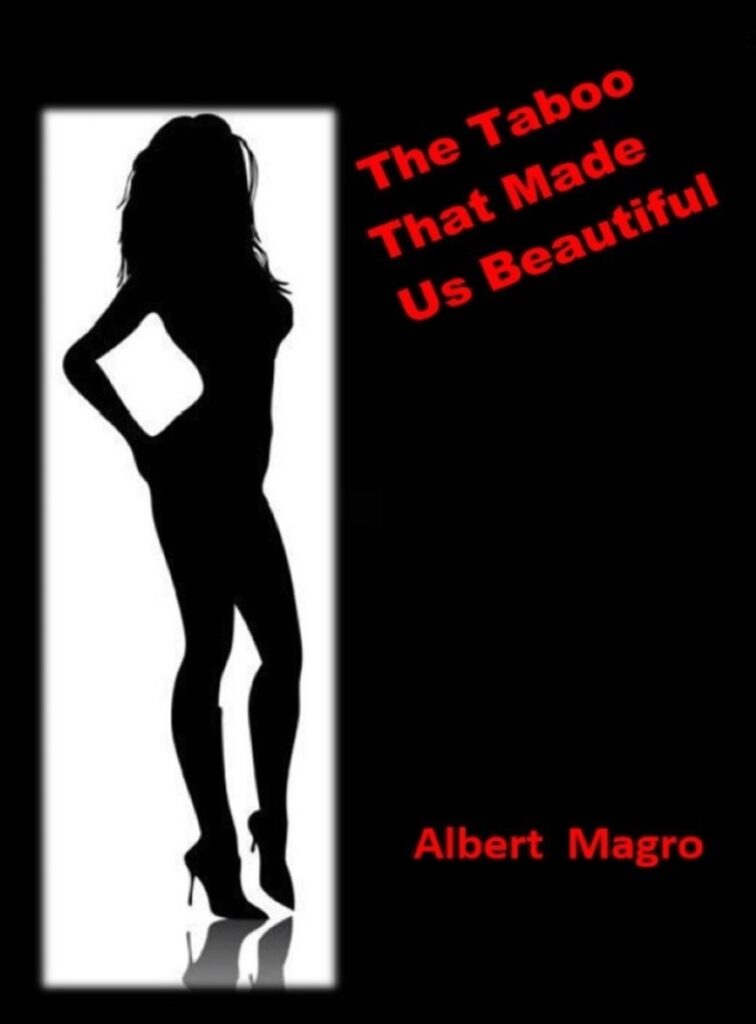
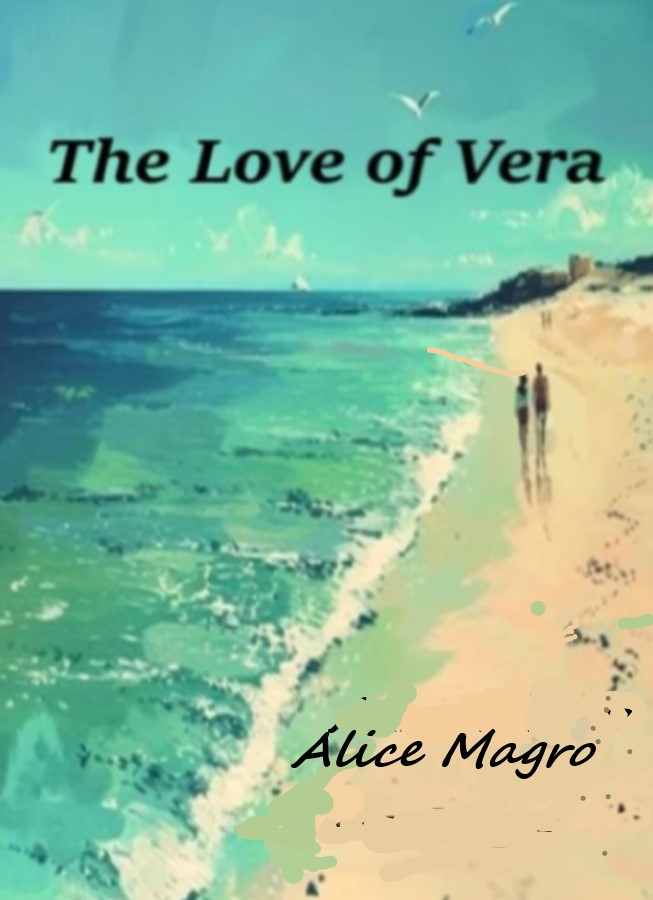
Over the coming months, I’ll be sharing material from these books—not as lectures, but as provocations. Each video and post will present ideas, evidence, and arguments worth examining. But ideas grow stronger through critique and collaboration. That’s why I’m bringing them here: to test them in dialogue, to discover blind spots, and to invite extensions and amendments I couldn’t develop alone. Your role isn’t to agree—it’s to engage. Challenge the reasoning. Propose alternatives. Help reveal what I’ve missed.
What You’ll Find Here
This isn’t a typical academic blog. I write as someone standing outside traditional philosophy—a scientist by training who spent considerable time wondering why evolutionary biology and philosophical inquiry remained stubbornly separate.
I Will Be Posting
• Video presentations exploring each mechanism with fossil evidence and cross-cultural observations
• Chapter-by-chapter discussions from my three books
• Responses to objections and alternative interpretations
• Applications to contemporary debates in ethics, aesthetics, and human nature
Most Importantly: Genuine Intellectual Discussion
Push back. Offer alternatives. Point out flaws in reasoning or gaps in evidence. If you’re a philosopher troubled by biological reductionism, tell me why. If you’re an evolutionary biologist skeptical of these aesthetic claims, show me contrary data. If you’re an artist wondering what this means for creativity, let’s explore together.
Why this matters. The deeper questions, what are the evolved adaptations of hominins, and what are their Implications to:
• A priori and a posteriori understanding?
• Moral sentiment?
• Are moral principles universal across the cosmos?
• Are moral principles universal across earthly living organisms?
• Are moral principles universal across the species?
• The burden of the will?
• The aesthetic response to figurative art?
• Our sense of beauty of human form?
• Fashion and cosmetics?
• Cartoons and other pop culture appreciation?
• Aesthetic appreciation of nature?
• What is the origin of Duty?
• What are the threats to the future of humanity?
These sample questions aren’t abstract puzzles. They are questions to be explored that have profound implications for how we understand ourselves.
Fossil Record of Hominins
The fossil record changes everything. Before we discuss ethics or beauty and who we are, we will need to discuss what we were. The philosophical tradition from Socrates to Kant assumed human nature was fixed. They had no way of knowing hominins evolved.
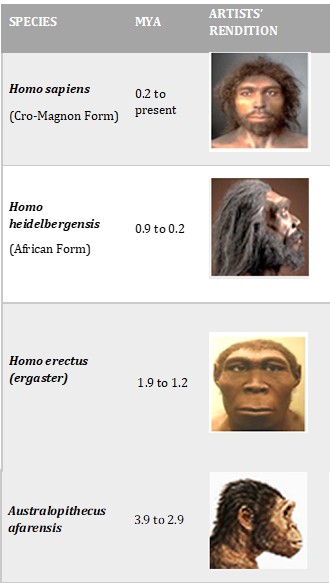
• Our ancestor Australopithecus afarensis, now extinct but existing at least 3.7 million years ago, could provide important information regarding who we are.
• Our ancestor Homo erectus, now extinct but existing at least 2 million years ago and fully of the genus Homo, helps us understand the transition to modern humans.
• Our ancestor Homo heidelbergensis, now extinct but existing at least 600,000 years ago, points to how their significant technological and social advancements can help explain our identity.
These aren’t abstractions. These are our ancestors, whose adaptations regarding locality, predator-prey relationships, anatomical proportions, and cultural aspects span 150,000 generations. The philosophical questions explored since antiquity—What is ethical? What is beauty?—will, in this blog, begin with the question: How did we become human? The questions originally broached by philosophers since antiquity deserve to be examined in light of what we now know about where we came from.
An Invitation, Not a Manifesto
This blog does not claim to have definitive answers to questions that have occupied Western civilization’s explorations for more than 2,500 years. What this blog offers is a framework—a way of integrating evolutionary biology with enduring philosophical questions.
The ideas presented here come from long reflection on the fossil record, human behavior, and aesthetic experience. Whether they withstand scrutiny depends on the quality of evidence and argument, not on credentials. The blog invites you to engage these ideas critically, particularly those that are controversial.
At its heart, this blog invites you to extend and amend. If you find flaws, articulate them. If you see connections, share them. If you have alternative explanations, propose them.
Let the ideas speak for themselves.
________________________________________
Albert Magro
Author, Evolutionary Philosophy Trilogy
beyondmusings.com